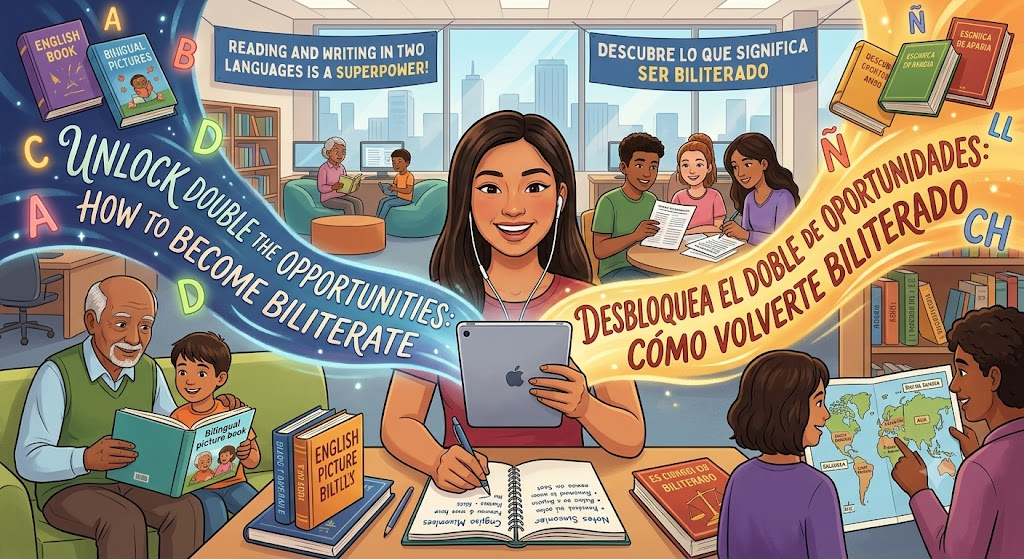
Learning to read and write in one language is a big achievement. But learning to do it in two languages? That is an amazing superpower! Being Biliterate means you can easily read, write, and understand two different languages. It is more than just speaking two languages (which is called being bilingual). It means your brain can switch between two sets of words, sounds, and letters on paper or a screen. In our big, connected world, knowing two languages gives you a massive head start in school, friendships, and future jobs. Let’s dive in and explore how this skill works and how you or your child can become a master of two languages.
What Does It Mean to Be Biliterate?
At its core, being biliterate means you have full literacy in two languages. A literate person can read and write well. So, a biliterate person can do those things in language number one and language number two. For example, a student might read a book in English and then write a story in Spanish. They know the special rules, spelling, and grammar for both systems. It is like having two different toolboxes in your brain for sharing ideas!
The Big Difference: Bilingual vs. Biliterate
Many people mix up the words bilingual and biliterate, but they are quite different.
- Bilingual: This means you can speak and understand two spoken languages. You can chat easily with people in both.
- Biliterate: This goes one step further. It means you can read and write both languages.
Merriam-Webster
Think of it like riding a bicycle versus fixing one. Speaking is just riding, but reading and writing mean you understand how all the gears work together.
Why Is Learning Two Languages Early So Easy?
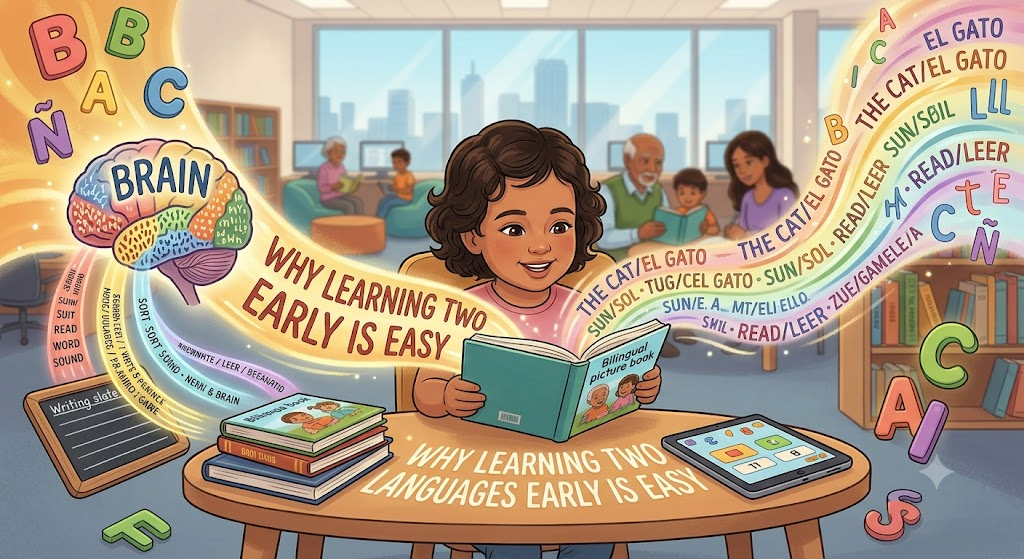
Kids have super-powered brains for learning languages. When little ones hear two languages at home or school, their brains easily sort the sounds and patterns. Exposing children to books and writing in two languages early on helps them build strong reading habits naturally without stress.
Cognitive Superpowers: How Two Languages Grow Your Brain
Learning to read and write in two languages gives your brain a great workout. It makes you better at solving puzzles, focusing on tasks, and remembering things. When you practice dual language reading, your brain learns to be flexible. This mental flexibility helps you learn new things much faster in school!
Supporting Dual Language Learners at Home
You do not need to be a teacher to help a child become Biliterate. Simple daily habits make a huge difference. You can read bedtime stories in one language and talk about the pictures in another. You can also label items around the house in both languages to make learning fun and visual.
Reading in Two Languages: Tips for Success
To become a great reader in two languages, practice is key. Try to find books that match your reading level in both languages. Do not worry if it feels slow at first! Your brain just needs time to adjust to the different letter sounds and spelling rules of each language.
Writing in Two Languages: Building Skills Step-by-Step
Writing in two languages helps you become a clear thinker. Start small by writing short sentences, drawing pictures with labels, or keeping a simple journal. Write a grocery list in one language today and a thank-you note in the other language tomorrow. Small steps lead to big wins!
Cultural Connections: The Heart of Language
Language is not just words on a page; it is a bridge to different cultures. When you read and write in two languages, you can connect with family members, enjoy stories from around the world, and understand different traditions. It opens your heart and your world to amazing new friends and experiences.
Future Benefits: School and Career Advantages
In the future, knowing how to read and write in two languages will be a huge bonus for getting a great job. Companies love to hire people who can talk, read, and write for global customers. Being biliterate makes you a superstar employee in healthcare, business, travel, and technology!
Common Challenges and How to Overcome Them
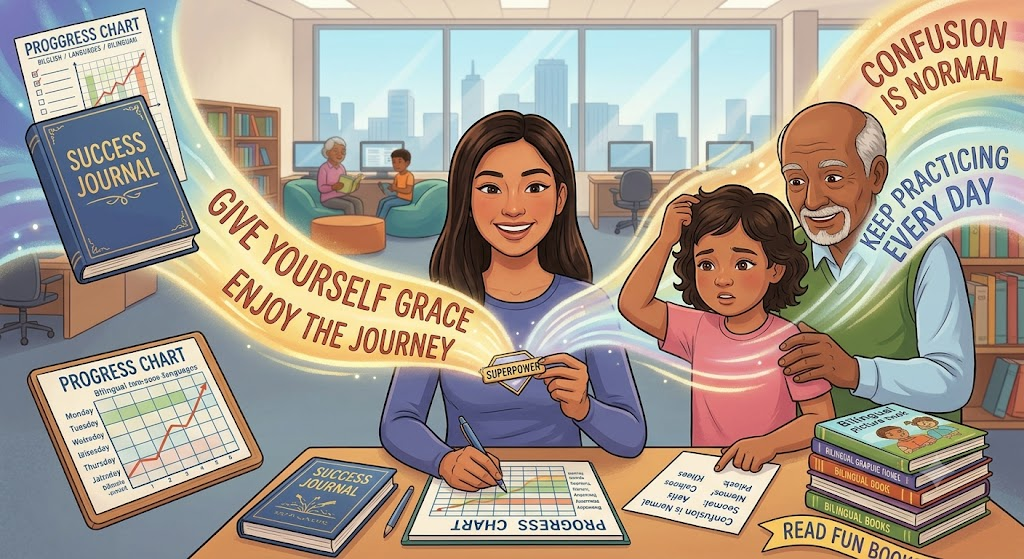
Sometimes learners mix up their spelling words, or they feel like one language is stronger than the other. That is completely normal! Just keep practicing both every day. Give yourself grace, read fun books, and enjoy the journey of growing your language skills at your own pace.
Frequently Asked Questions
What is the simple definition of biliterate?
It simply means being able to read and write in two different languages perfectly.
Can a child learn to read two languages at the same time?
Yes! Children’s brains are built to learn and sort out multiple languages easily and naturally.
Is being biliterate the same as being bilingual?
No. Bilingual means you can speak two languages, while biliterate means you can read and write them too.
Cambridge Dictionary – Cambridge University Press & Assessment
How can I help my child become biliterate at home?
Read books together in both languages, watch shows with subtitles, and write simple notes or lists daily.
Will learning two languages make my child confused?
Not at all. Research shows that learning two languages actually makes the brain stronger and better at focusing.
What are the best tools for practicing biliteracy?
Multilingual storybooks, fun educational apps, flashcards, and writing journals are great tools to use every day.
Conclusion
Becoming biliterate is a beautiful, rewarding journey that lasts a lifetime. It makes your brain stronger, connects you with wonderful cultures, and opens doors to exciting future adventures. Why not start today? Pick up a simple book in a new language, grab a notebook, and try writing your very first sentences.
If you enjoyed this guide, share it with a friend or leave a comment below telling us which two languages you want to learn to read and write!